Pat Gelsinger, former CEO of Intel & VMWare, joins Alva’s Board of Directors

Alva Energy announced today that Pat Gelsinger has joined its Board of Directors. One of America’s most respected technologists, Pat brings decades of leadership at the forefront of the semiconductor industry, most recently as CEO of Intel and previously as CEO of VMware.

An electrical engineer by training, Gelsinger has played a defining role in advancing foundational technologies spanning microprocessors, enterprise computing, and semiconductor fabrication. At Intel—as both CTO and later CEO—he helped drive platform-defining innovation, including serving as the lead architect of the Intel 486 chip and developing technologies which became universal, from USB to Wi-Fi. Most recently, he helped lead Intel’s push back to process-node leadership—anchored by the “five nodes in four years” execution plan and an aggressive roadmap through next-generation nodes including the Intel 18A and 14A—aimed squarely at restoring American dominance in advanced semiconductor fabrication.

“Playground invested in Alva because they’re the only nuclear company designed to deliver at the speed, scale, and certainty this moment demands,” Pat explained to reporters. “Their approach doesn’t rely on theoretical technologies or distant timelines, it unlocks gigawatts of clean power from existing infrastructure. It’s real, it’s financeable, and it’s deployable this decade.”

“Pat is a legend in the global engineering community,” said James Krellenstein, CEO and Co-Founder of Alva. “Few private-sector leaders have deployed tens of billions of dollars of capital while executing some of the world’s most complex EPC projects—under the highest QA/QC standards—and still pushed the leading edge of technology forward. That combination of capital discipline, manufacturing execution, and deep technical leadership aligns directly with Alva’s mission to deliver gigawatts of new American nuclear capacity at a pace not seen in generations.”

Today, Pat is a General Partner at Playground Global, a deep tech venture firm with $1.2 billion under management. He invests in foundational technologies that drive long-term economic strength and national resilience. Pat serves on the boards of several Playground portfolio companies, with a focus on next-generation computing, energy, and infrastructure. Beyond his work as an investor at Playground, Pat is a speaker, board member, author, inventor, philanthropist, investor, husband, father of four, and grandfather of eight.

Alva Energy Launches with $33 Million to Unlock 10 GWe of Nuclear Power

Offers fastest, most affordable and most practical path to multi-gigawatt expansion of clean, firm U.S. power to meet growing demand

CAMBRIDGE, Mass. – February 12, 2026 –  Alva Energy, the nuclear energy company making it faster and easier to safely boost power from existing nuclear reactors, today announced it has launched with $33 million in funding led by Playground Global. Alva aims to rapidly unlock 10 gigawatts of new electric power generation capacity from the existing U.S. reactor fleet to meet surging power demand from AI and other industrial uses.

The company’s solution can deliver usable clean energy at scale from existing plants far faster and at much lower cost than new nuclear plants can be built – on a timeline and cost that is competitive with gas-fired generation.

Additional investors in the Series A included Segra Capital, NGP, Mercator Partners, and Alumni Ventures, as well as returning investors 8VC, Logos, Australian energy specialist Simon Holmes à Court, and philanthropist and environmental activist Isabelle Boemeke. Investors from the company’s initial funding round include Gigascale Capital, Safar Partners, Collaborative Fund, Activate Global, and Michael Anders, the founder of ICONIQ Capital.

“America can’t afford to wait decades to build new nuclear generation capacity or for next-generation technologies to meet today’s rising power demands,” said James Krellenstein, CEO and Co-Founder of Alva Energy. “By upgrading the nuclear infrastructure we already have, we can deliver gigawatts of clean, always-on power to meet the needs of AI data centers, and we can do it without burdening ratepayers with the cost. With our first projects online in five years, this is the fastest, most practical way to expand carbon-free energy capacity in the U.S.”

Alva is productizing upgrades to existing nuclear plants, turning complex retrofit projects into standardized, turnkey offerings. By replacing steam generators and adding a second turbine generator to plants, Alva maximizes their electrical generation capacity while maintaining or improving their safety margins. Drawing on engineering methods proven at plants worldwide, Alva manages the full uprate lifecycle–from regulatory compliance and procurement to installation and commissioning–reducing risk, shortening timelines, and delivering repeatable results across the fleet.

Alva can increase electrical generation capacity by 200-300 MWe per reactor – approximately the output of a small modular reactor (SMR) – with a combined potential of 10 GWe in new capacity across the U.S. grid. Its uprates can be deployed as quickly as gas turbines in today’s market, but with comparable long-term cost and without carbon emissions. Built on technologies with over 100 reactor-years of operating history, Alva’s standardized offering could yield a full 10 GWe through the 2030s, far outpacing any added capacity from new construction over the same timeframe. The Series A funding will enable Alva to advance multiple projects in parallel, scale its engineering teams, and secure regulatory pre-approvals for key uprate methods from the U.S. Nuclear Regulatory Commission (NRC).

“The biggest obstacle standing in the way of an AI-enabled future isn’t compute, it’s power,” said Pat Gelsinger, General Partner at Playground Global, who will join Alva’s Board of Directors. “Playground invested in Alva because they’re the only nuclear company designed to deliver at the speed, scale and certainty this moment demands. Their approach doesn’t rely on theoretical technologies or distant timelines, it unlocks gigawatts of clean power from existing infrastructure. It’s real, it’s financeable and it’s deployable this decade.”

As part of an innovative financing model, Alva works directly with large-scale power consumers–including hyperscalers–and utilities to finance its nuclear plant retrofits without increasing costs for residential ratepayers. This approach solves a key issue confronting the AI industry: the growing community opposition to new data center development as consumers face steeply rising electricity costs.

“Segra Capital has been involved with Alva since its founding because what gives us confidence is not theory–it’s execution,” said Arthur Hyde, Partner at Segra Capital Management, an energy-focused investment firm. “Members of the team have managed multi-billion-dollar nuclear projects, led NRC design certifications, and completed some of the most complex component replacements in the industry. That kind of delivery pedigree is extraordinarily difficult to replicate, and it’s why we’re excited to back Alva’s ambitious goals.”

Alva’s experienced team includes globally recognized engineers and project leaders with deep, hands-on nuclear delivery experience. Team members have led projects that set industry records in high-speed nuclear construction and licensing, including the fastest nuclear steam generator replacement and fastest and cheapest reactor design certification in NRC history. This real‑world experience executing complex upgrades and licensing work underpins Alva’s ability to scale uprates across the existing U.S. nuclear fleet.

“Alva Energy is unlocking the full potential of the existing U.S. nuclear power fleet,” says Maritza Liaw, Partner at NGP. “By enhancing generation capacity at current plants, they can safely and affordably expand nuclear power before new plants are constructed. Alva’s uprate solution delivers additional nuclear capacity with the cost-effectiveness and speed comparable to combined cycle gas plants. The team’s exceptional project delivery experience, coupled with a standardized uprate design, ensures a thoughtful and secure expansion of U.S. nuclear power production. NGP is proud to support the talented team at Alva.”

About Alva Energy

Alva Energy is a nuclear technology company unlocking gigawatts of new clean power from the infrastructure that already exists. By productizing nuclear plant upgrades, known as “uprates,” Alva makes it faster, easier, and more predictable to boost output from existing U.S. reactors. Its standardized approach adds 200–300 megawatts of capacity per reactor, targeting a total of 10 gigawatts across the fleet. With real project delivery and regulatory experience at its core, Alva delivers clean, always‑on power in years, not decades.

About Playground Global

Playground Global is a deep tech venture capital firm with $1.2 billion under management, backing early-stage startups tackling foundational challenges in next-generation compute, automation, energy transition, and engineered biology. Founded in 2015 and based in Palo Alto, Playground partners closely with technical and scientific founders to turn breakthrough ideas into enduring companies. The firm’s portfolio includes PsiQuantum, MosaicML (acquired by Databricks), d-Matrix, Agility Robotics, Ideon, Ultima Genomics, and Strand Therapeutics. Learn more at www.playground.vc.

Internationally recognized nuclear safety analysis leader József Bánáti joins Alva Energy as Principal Thermohydraulics Engineer

Alva Energy announced today that Dr. József Bánáti has joined the company as its Principal Thermohydraulics Engineer. At Alva, Dr. Bánáti will lead thermohydraulic modeling and safety analysis for the company’s uprate projects. He will be responsible for developing system-level models that predict the behavior of the nuclear steam supply system and balance of plant under both normal and transient conditions. By drawing clear lines from physics-based models to design margins, József will provide the analytical foundation for Alva’s design choices, licensing cases, and overall safety-analysis approach.

An internationally recognized expert in deterministic safety assessment, Dr. Bánáti has spent his career at the intersection of nuclear research and operating power plants. His early work in Hungary at the KFKI Atomic Energy Research Institute (AEKI) and the Paks Nuclear Power Plant included development of the VERONA on-line core-monitoring system, followed by thermohydraulic research on the PMK scaled model of Paks I. He then worked on Finland’s PACTEL test loop for the Loviisa VVER-440 units and to the Halden Reactor Project in Norway, where he co-developed the TEMPO code for thermal-performance monitoring and optimization.

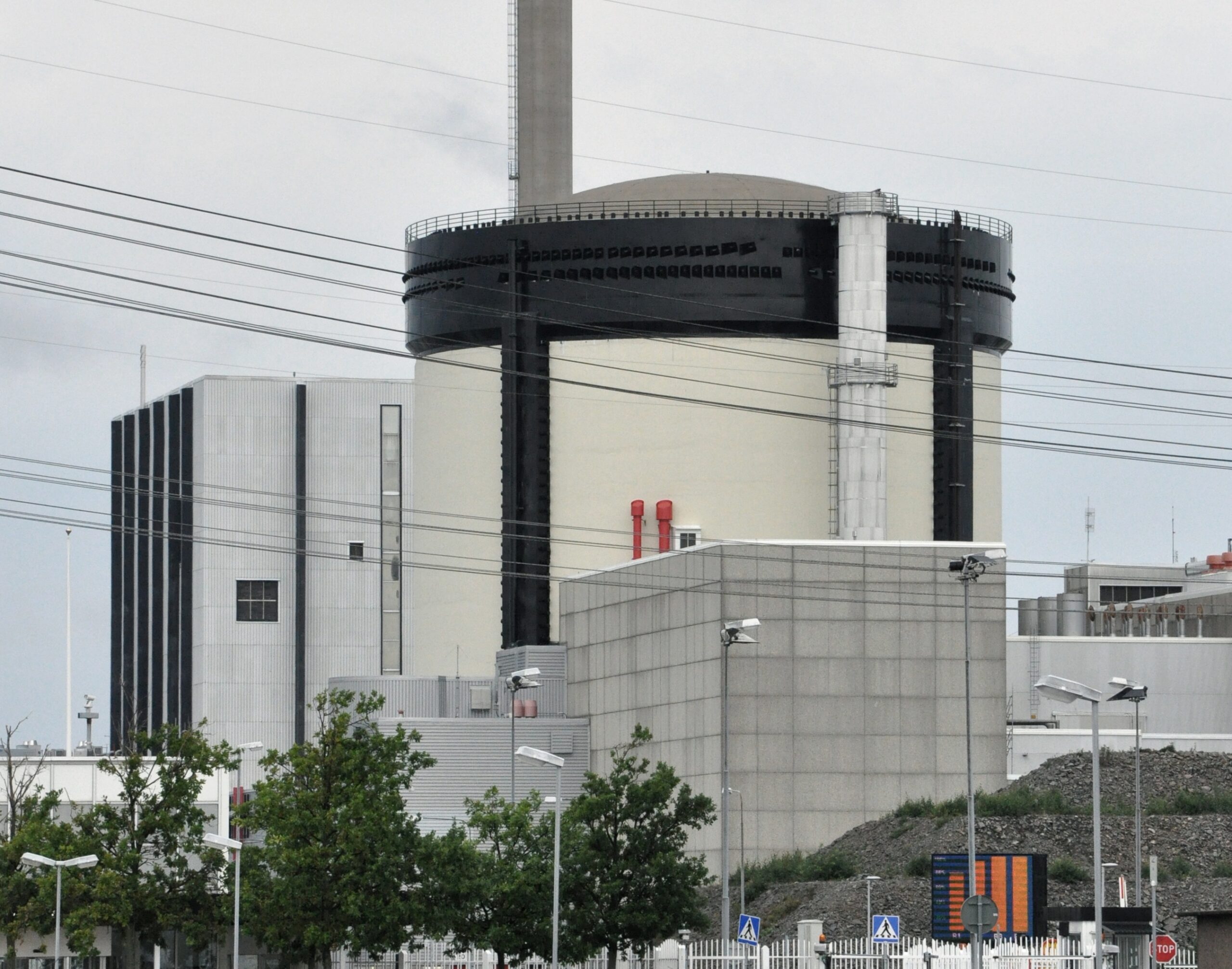
Dr. Bánáti earned his PhD in Nuclear Engineering from Lappeenranta University of Technology in Finland. Later, at Chalmers University of Technology in Sweden, he led the development of RELAP5 validation models for the Ringhals 3 and 4 power uprates on behalf of the Swedish Radiation Safety Authority (SSM). This work established a global benchmark: the Ringhals 4 project stands as the largest power uprate ever successfully executed on a Pressurized Water Reactor (PWR). By linking scaled experiments with best-estimate codes, Dr. Bánáti helped pioneer the cutting-edge technology required for this historic uprate.

Most recently, Dr. Bánáti served as Head of Deterministic Safety Assessment for the Paks II new-build project. He led the world’s first comprehensive effort to migrate a VVER-1200 design to Western safety codes, running an independent safety-analysis program alongside the NSSS vendor. A highly cited researcher with nearly 80 publications, Dr. Bánáti joins Alva motivated by the opportunity to apply decades of VVER, PWR, and BWR experience to projects that add gigawatts of carbon-free capacity to the grid with uncompromising safety rigor.

The New York Times covers Alva Energy and Department of Energy analysis on U.S. and Chinese nuclear construction

The New York Times this week covered the findings of Alva Energy’s recent analysis conducted with the U.S. Department of Energy, Idaho National Laboratory (INL), Oak Ridge National Laboratory (ORNL), and MIT, examining how nuclear construction timelines can compress with repeated deployment.

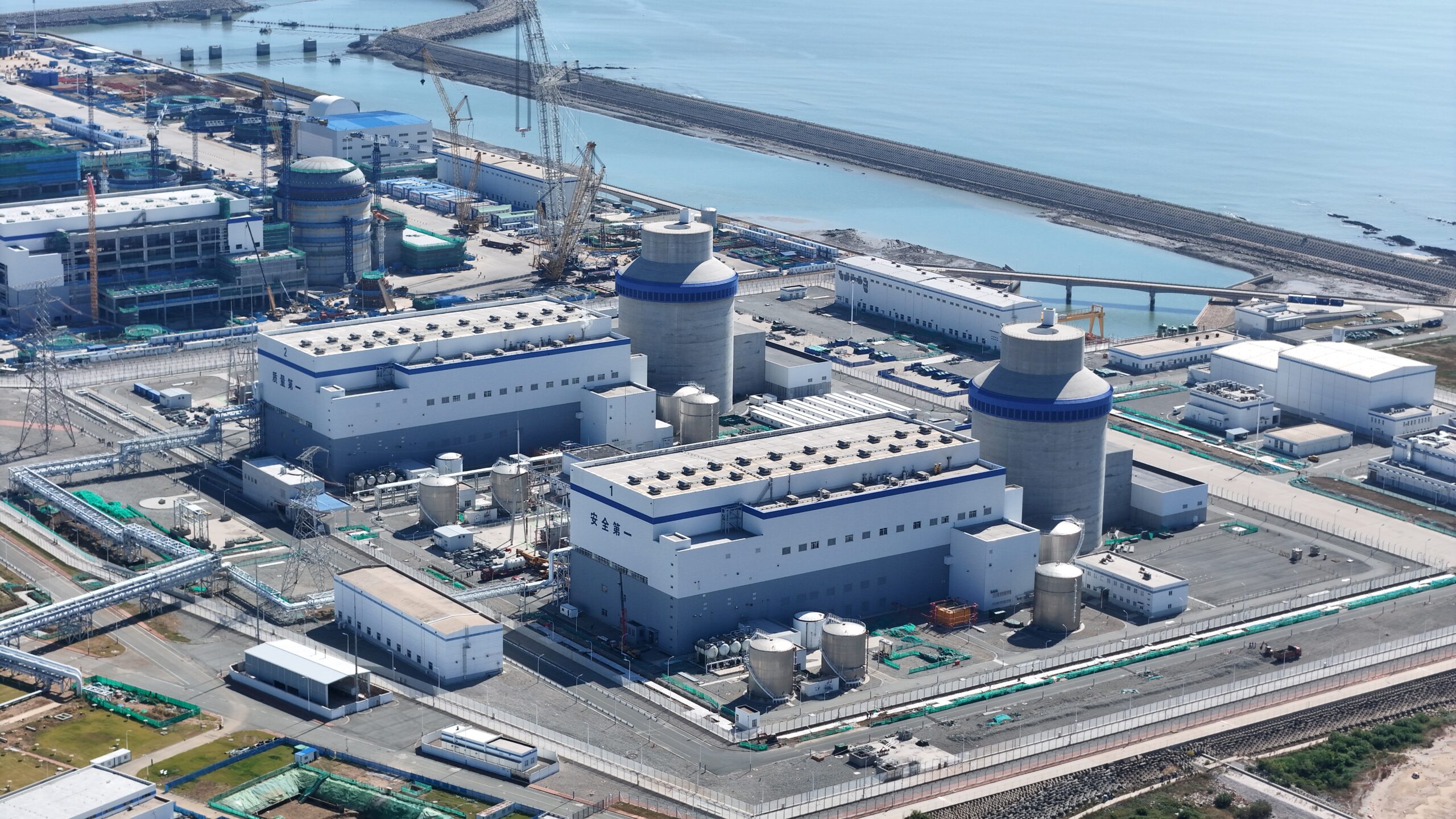
In a feature on China’s accelerating nuclear program, The Times highlighted a central conclusion of Alva’s analysis: construction schedules for AP1000-derived reactors have fallen dramatically in China’s second build series. According to the DOE-supported research, newer CAP1000 and CAP1400 units are being completed in roughly five to six years — nearly half the time required for first-of-a-kind projects.

As Alva CEO James Krellenstein noted in the article, China’s approach was not to abandon large light-water reactor designs after early delays, but to pause, incorporate lessons learned, standardize execution, and build repeatedly. The result has been substantial schedule compression and decreased costs across successive units.

The Times situates these findings within a broader geopolitical context: as global interest in nuclear power resurges, execution capability — not the invention of new reactor technologies — is emerging as the decisive factor. China’s ability to replicate standardized designs under strong, centralized project management has enabled it to reduce build times and stabilize costs, even for large Generation III+ reactors originally derived from Western designs.

These observations reinforce the core conclusion of the study: the primary constraint on nuclear expansion is not reactor technology, but project management discipline and repeat execution. At Alva, this insight directly informs our strategy. Alva moves fast by deploying proven, regulator-ready technologies, focusing on standardized engineering, repeatable construction work packages, and structured integration of lessons learned across projects. These principles guide both our fleet-wide power uprate program today and our long-term strategy for scaling disciplined, repeatable new nuclear builds in the United States.

Read the full New York Times coverage here.

Read Alva’s full DOE-supported report here.

Nuclear Engineering & Design publishes Alva’s research on the construction economics of modular nuclear reactor designs

Does “smaller” actually mean “more modular” in nuclear power? Alva’s latest research, published in Nuclear Engineering & Design, explores this question to reveal some fascinating insights about the complex scaling relationships in nuclear plant design.

A core promise of Small Modular Reactors (SMRs) is their ability to shift more work to factories and away from construction sites. However, our detailed analysis of reactor designs found that larger reactors have a higher ratio of offsite to onsite work than their smaller counterparts. At the scale required for a large-scale nuclear buildout of 200 GWe, Alva’s model found that deploying small modular light water reactors would require up to twice the sustained direct construction workforce as large light water reactors.

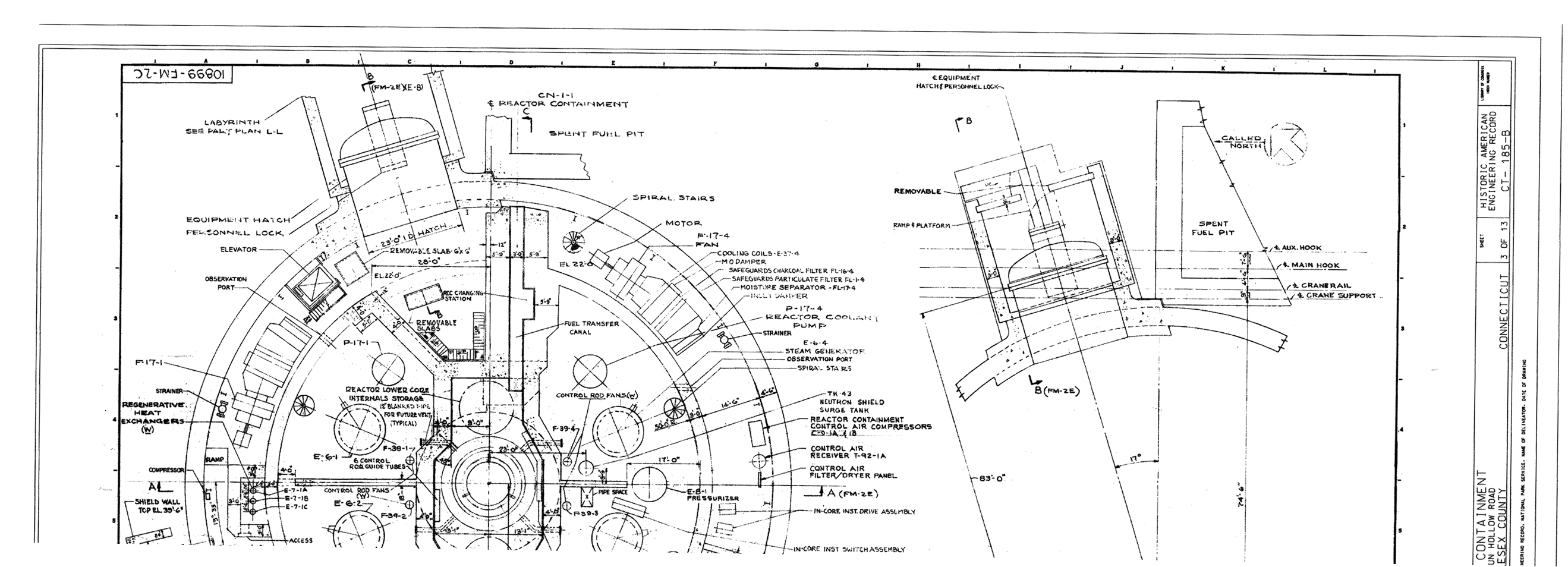
The insight emerged from Alva’s research into the fundamental challenge in nuclear scaling: civil structures and site improvements don’t scale down proportionally with reactor size. For example, the BWRX-300’s reactor building is about 1/3rd the size of the ABWR but outputs 1/4th or 1/5th the power. The AP1000 demonstrates this scaling benefit in reverse: in our modeling, it requires only an 11% capital cost increase over the smaller AP600 but delivers almost 80% more power.

This reveals an important dynamic: as reactors get smaller, certain aspects of construction—particularly civil works, foundations, and site improvements—remain predominantly onsite activities and do not shrink linearly with reactor size. Some building dimensions are driven by human access requirements, seismic criteria, and shielding that don’t scale linearly with power output. This affects the balance between onsite and offsite work in complex ways that challenge conventional assumptions about modularity.

Read more in our paper published in Nuclear Engineering and Design, or download the preprint PDF here.

And listen to Alva CEO James Krellenstein discuss these factors on the podcast Decouple.

Alva Energy collaborates with the U.S. Department of Energy’s Idaho National Lab, Oak Ridge National Lab, and MIT on new research on nuclear power deployment in the U.S. & China

Alva Energy, in collaboration with Idaho National Laboratory (INL), Oak Ridge National Laboratory (ORNL), and MIT, has published a new analysis for the U.S. Department of Energy examining how costs and construction schedules for large nuclear plants can decline with repeated builds under strong project management organizations.

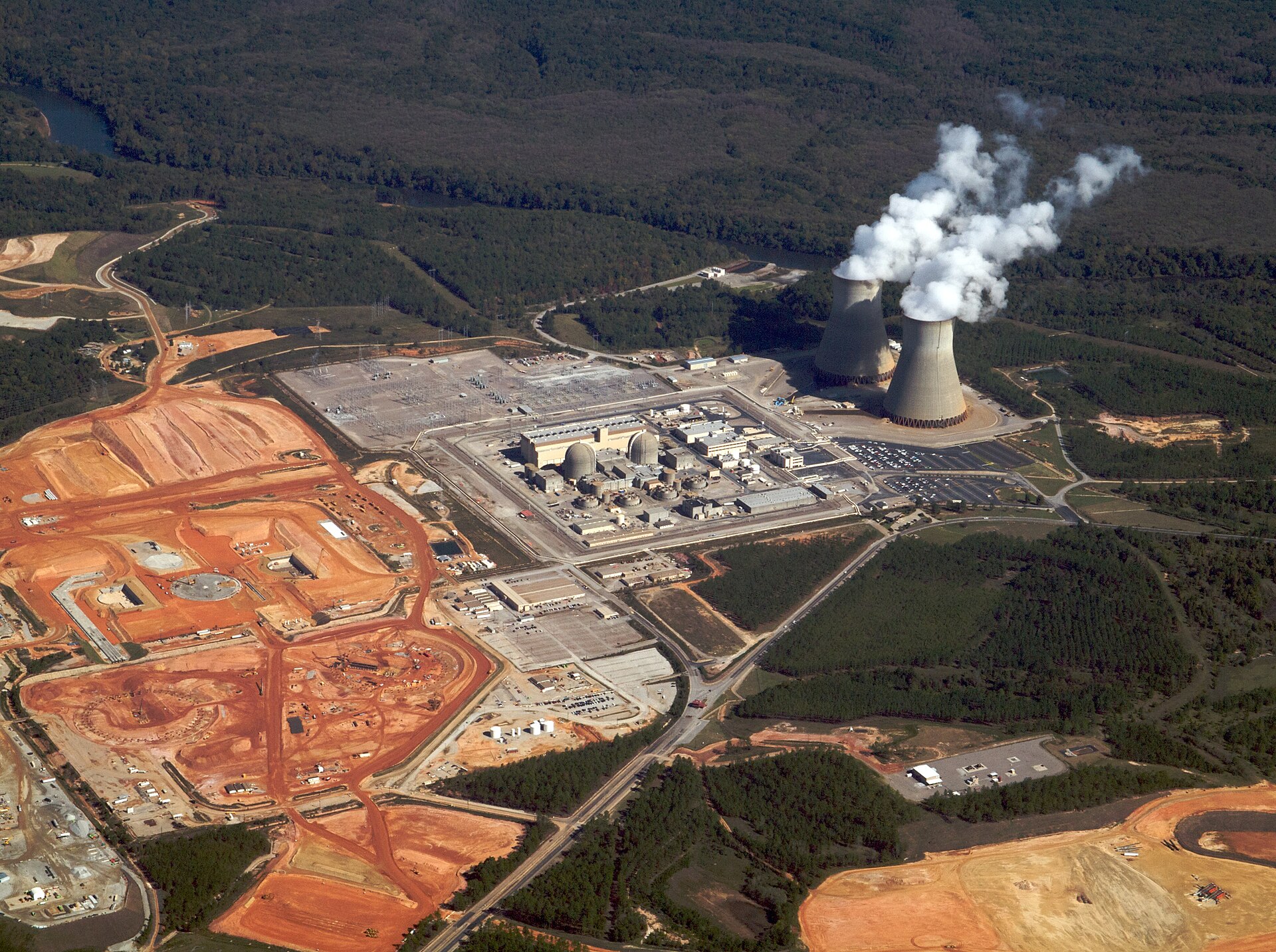
The report, Potential Cost Reduction in New Nuclear Deployments Based on Recent AP1000 Experience, analyzes construction data from every AP1000 project built to date in the United States and China. The findings challenge the prevailing assumption that large light-water reactors cannot be delivered on competitive timelines — and rebut the idea that first-of-a-kind (FOAK) costs permanently define the economics of new nuclear builds.

A key finding of the study is that construction timelines for AP1000 reactors have fallen by nearly 50% in China’s second build series—demonstrating that disciplined project management and systematic integration of lessons learned, not reactor size, determine nuclear build speed.

Using publicly available milestone data — including module placements, reactor vessel installation, first criticality, and grid connection — the team compared the first AP1000 series in China (Sanmen and Haiyang) with the ongoing second series of CAP1000 and CAP1400 projects. The results show a 48% reduction in average duration from first nuclear concrete to major milestones, a 42% reduction in average time between construction milestones, and a 60% reduction in schedule variance, indicating far greater predictability. Shidao Bay Unit 1 (CAP1400), for example, reached grid connection in approximately 5.3 years — compared to roughly 9 years for first-series AP1000 units. Ongoing second-series CAP1000 projects are targeting total construction durations of 4.5–5 years.

These results demonstrate Alva’s founding thesis: the limiting factor in new nuclear deployment is not reactor technology — it is execution. Where project management institutions are strong and learning is deliberately applied, construction timelines shorten and variance collapses. Alva’s nuclear power uprate program applies the same principles, leveraging standardized designs, repeatable engineering packages, disciplined regulatory preparation, and fleet-wide learning to unlock gigawatts of additional, cost-effective clean power from existing reactors.

Read the full report here.

And listen to Alva CEO James Krellenstein discuss AP1000 construction experience on the podcast Decouple.

Nuclear licensing and operations veteran Steven Mannon joins Alva Energy as Chief Engineer, Licensing.

Alva Energy announced today that Steven Mannon has joined the company as Chief Engineer, Licensing. Steve will lead licensing strategy and regulatory engagement across Alva’s nuclear projects. He brings decades of nuclear industry experience spanning Licensing, Engineering, Operations, Projects, and Programs, and has worked across the full plant life cycle—from new plant licensing and construction through operations and decommissioning. His training as a nuclear engineer, his experience as a licensed Senior Reactor Operator, and his senior roles in regulatory affairs and system engineering give Steve a unique view of how design, operations, and regulation fit together in practice.

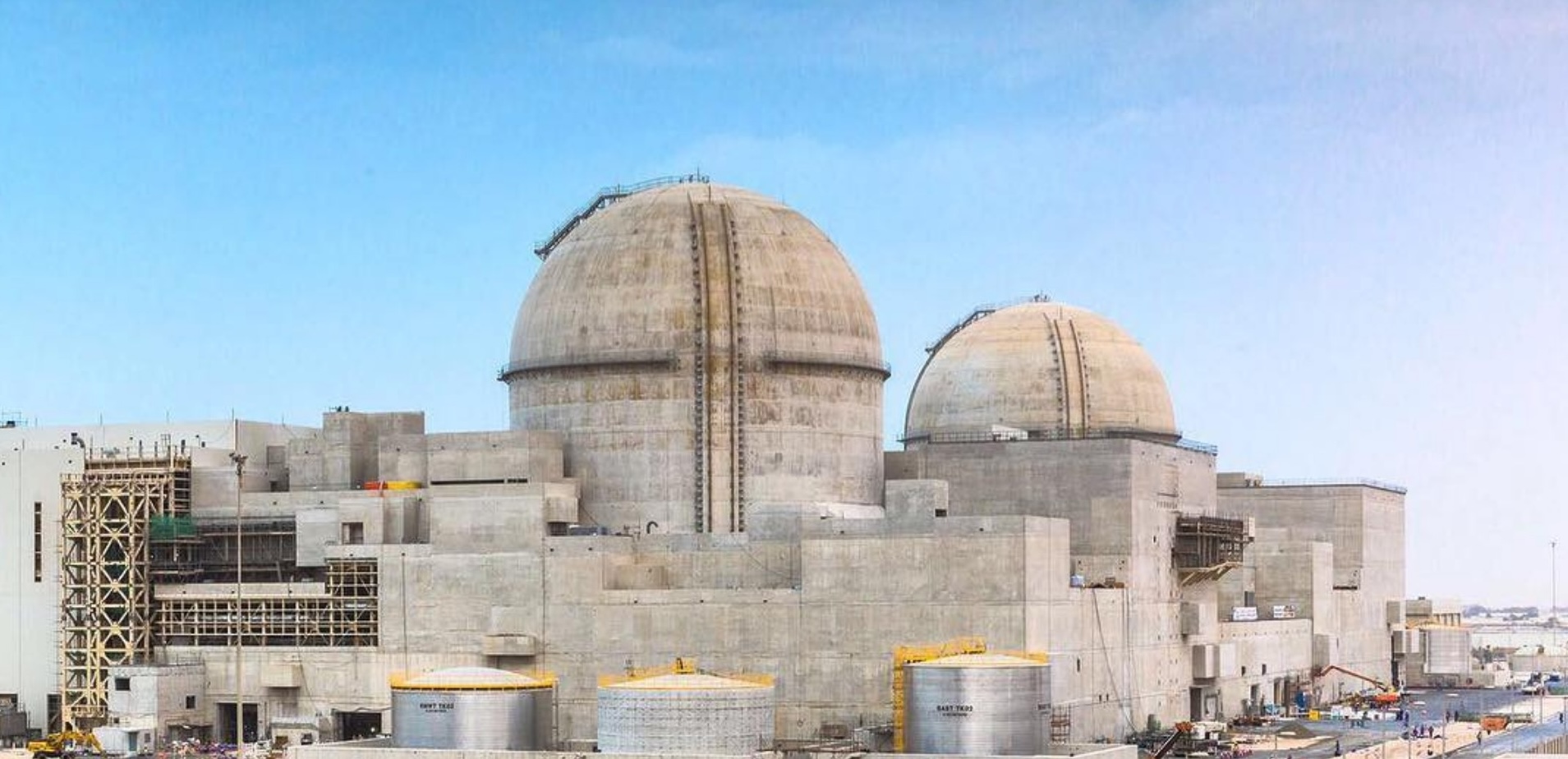
Before joining Alva, Steve spent nearly two decades in senior licensing leadership roles at AECOM. He directed the AECOM team leading Korea Hydro & Nuclear Power’s APR1400+ Design Certification, delivering the NRC’s fastest and cheapest reactor design certification in history—an essential prerequisite for startup of the Barakah units in the UAE.

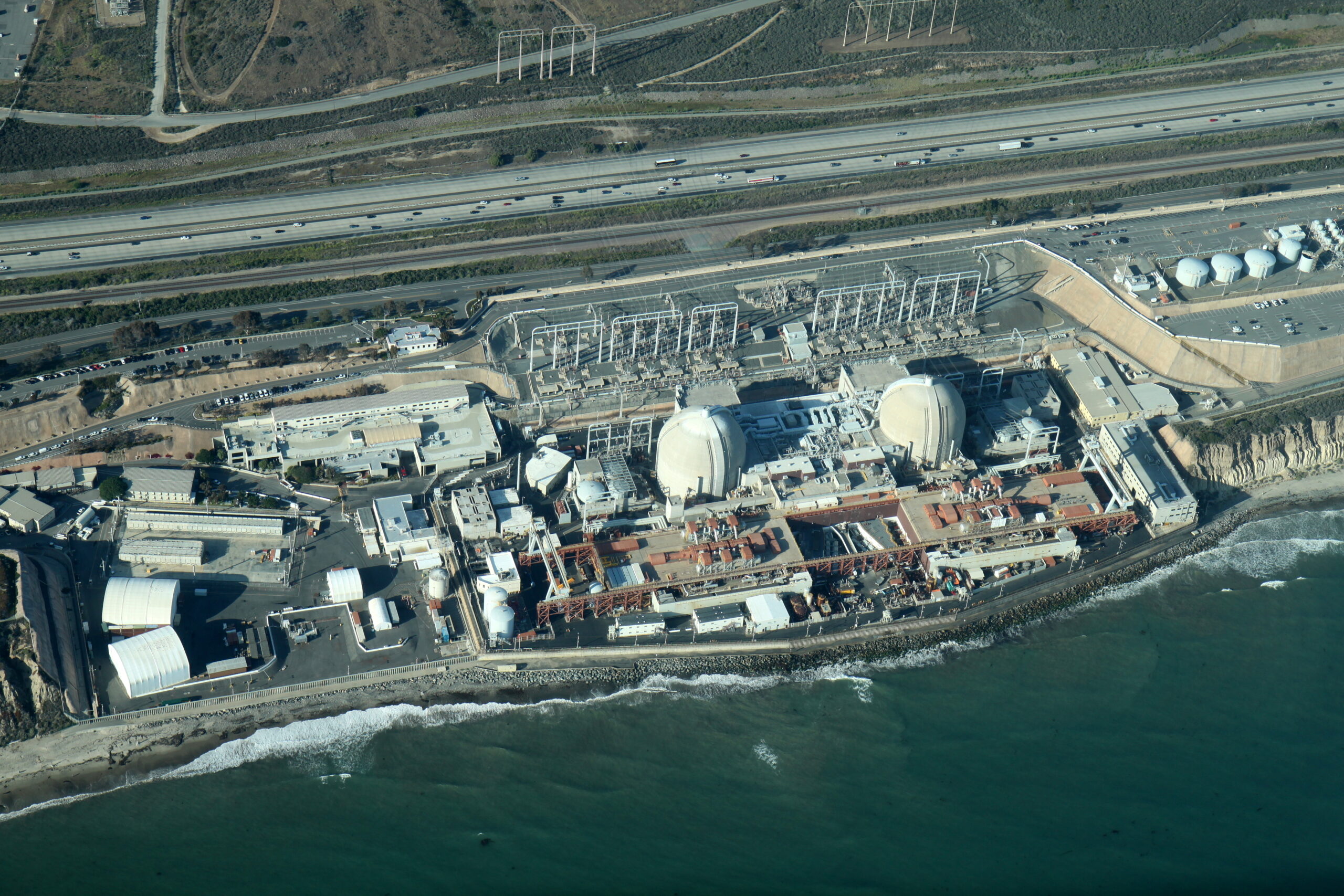
He also served as Programs Director and Regulatory Affairs Manager for the San Onofre Nuclear Generating Station (SONGS) decommissioning project—the largest ongoing nuclear project in the United States. At SONGS, he led licensing and regulatory programs for decommissioning activities, emergency preparedness, corrective action, operating experience, and 10 CFR 50.59 / 72.48, including the transition to ISFSI-only operations. Steve’s portfolio further includes leading licensing work for US-APWR and ESBWR applications, Fukushima Near-Term Task Force response efforts for U.S. fleets, TVA’s Bellefonte restart licensing basis evaluation, and early licensing activities for Holtec’s SMR-160.

Prior to joining AECOM, Steve spent more than 20 years with PSEG Nuclear at the Salem and Hope Creek stations, where he was in the middle of the turnaround from one of the industry’s most troubled performers to a consistently high-performing fleet. He held a Senior Reactor Operator license on Salem Units 1 & 2 and served as a Nuclear Shift Supervisor, led system and reliability engineering organizations across Salem and Hope Creek, and later took on roles including Engineering Manager, Project Manager, and Regulatory Assurance Manager. He managed large multidisciplinary engineering teams, drove equipment reliability and performance programs, oversaw major capital projects and cooling-water system upgrades, and served as an emergency responder in the Technical Support Center.

This combination of hands-on operations experience, fleet-level engineering leadership, and front-line regulatory responsibility underpins the practical, operations-aware licensing perspective that Steve will bring to Alva’s work with regulators, utilities, and other stakeholders.

Nuclear construction veteran Richard Kalman joins Alva Energy as SVP of Projects

Alva Energy announced today that Rich Kalman has joined the company as Senior Vice President of Projects, where he will provide the execution backbone for Alva’s power-uprate and new-build programs. With more than 40 years in nuclear construction, operations, and large-scale project management, he has overseen tens of billions of dollars in capital work across the full nuclear lifecycle—from planning and licensing through construction, major component replacements, decommissioning, and license termination. Rich has set multiple U.S. and world records in nuclear construction, including the fastest Reactor Vessel Closure Head replacement with an Integrated Head Assembly ever performed worldwide and the fastest Steam Generator Replacement in U.S. history  (and second-fastest globally), achievements that earned NEI’s TIP Award for World Class Performance.

Before joining Alva, Rich served as Executive Sponsor for the $1.8 billion firm-fixed-price decommissioning of the San Onofre Nuclear Generating Station (SONGS), the largest commercial nuclear D&D project ever undertaken in the United States. Over eight years, he held full P&L responsibility and led a joint AECOM/EnergySolutions team across safety, environmental compliance, cost, schedule, and stakeholder engagement. Under his leadership, the project became a reference case for complex decommissioning—recognized for its safety performance, rigorous environmental stewardship, and on-schedule, on-budget execution.

Prior to SONGS, Rich was President of SGT, an AECOM/Framatome joint venture that was the world’s leading company for major NSSS component replacements. He led SGT through a period of significant growth and diversification, expanding the business from a single-focus replacement contractor into an agile EPC provider capable of projects ranging from sub-$50 million jobs to the largest, most complex nuclear construction efforts in the U.S. He also helped establish SGRT, a Canadian joint venture with AECON, and secure its first contract at Bruce Nuclear Generating Station, opening the door to $800 million in additional project work.

Earlier in his career, as Senior Vice President of EPC Operations at Parsons, Rich managed engineering, project controls, and construction for energy-sector projects worldwide, including the Humboldt nuclear D&D and the National Enrichment Facility, where he developed and championed an approach to seismic Class I structures that accelerated the project’s critical path. His previous roles at Peach Bottom and Limerick, as well as recovery work on Saudi Aramco’s Qurayyah Seawater Injection Plant, further honed his ability to stabilize and deliver challenged projects. Rich began his career finishing construction at TMI Units 1 and 2 and held leadership roles at major EPC firms and utilities, helping to bring dozens of nuclear units into operation in the 1980s and 1990s as part of the last great wave of U.S. nuclear plant construction.

A civil and structural engineer by training, Rich’s leadership philosophy balances strategic oversight with hands-on engagement: he dives to the right level of detail, sets clear accountability, and pushes teams toward ambitious but credible “stretch goals” of early, under-budget completion—the same discipline he will now apply to Alva’s uprate fleet.

Alva Energy collaborates with U.S. Department of Energy on its Advanced Nuclear Liftoff Report

The U.S. Department of Energy’s Loan Programs Office has published its landmark Advanced Nuclear Liftoff Report, setting a concrete technical and policy vision for American nuclear power development. The report includes insight from Alva Energy on construction cost modeling and financing frameworks for large and small modular nuclear facilities.

The new report features data from our COSMIC software (Cost Optimized Simulator of Manufacturing, Installation and Construction). Originally pioneered at MIT by Alva CTO and Co-Founder Robb Stewart under the name NCET and further developed at Alva, COSMIC applies a consistent methodology across reactor designs to quantify how specific design choices influence cost and schedule. By leveraging techniques such as genetic algorithms for schedule optimization and Monte Carlo methods for uncertainty analysis, COSMIC translates complex design tradeoffs into actionable, data-driven insights for project developers and stakeholders.

Alva’s contributions also included analysis of nuclear project history and historical drivers of cost overruns, helping to identify key lessons learned and best practices for future projects. Alva’s expertise in nuclear project economics helped inform the report’s comprehensive analysis of financing pathways and cost structures – key elements in accelerating America’s rapidly accelerating power generation infrastructure buildout.

Alva is committed to bringing practical, data-driven solutions to nuclear project development. The Alva team was honored to work alongside the Department of Energy in advancing the future of nuclear energy, and enjoyed working with colleagues at MIT, McKinsey, and other companies on this important initiative.

Read the report here.